

When it comes to building a modern Shopify store, your tech stack plays a major role in performance, scalability, and long-term maintainability. Shopify’s native Liquid templating language has powered storefronts for over a decade—but with the rise of React, Hydrogen, and increasingly headless architectures, merchants now have more options than ever. So how do you choose the right stack?
In this guide, we’ll break down Liquid, React, and emerging alternatives so you can decide what’s best for your business goals and growth stage.
Why Your Shopify Tech Stack Matters
A Shopify store isn’t just a collection of pages—it’s a dynamic ecosystem tied to your marketing, inventory, checkout, customer experience, and revenue. The wrong stack can limit your speed, UX, or ability to integrate advanced features. The right stack future-proofs your store, enhances performance, and opens doors for customization.
At dekstech, we help merchants choose the stack that matches their needs—not the other way around.
Option 1: Shopify Liquid — Reliable, Streamlined, and Storefront-Ready


Liquid is Shopify’s native templating language and the foundation of all traditional Shopify themes. It’s simple, secure, and ideal for merchants who need a cost-effective build without sacrificing performance.
When Liquid Is the Right Choice
Liquid works best if your store needs:
- Fast development and lower costs
- Theme-based designs with manageable customization
- Optimized performance out of the box
- Full compatibility with Shopify Online Store 2.0
- Ease of maintenance for teams without complex engineering resources
Key Advantages
- Stable and battle-tested
- SEO-friendly and performant
- Deep integration with Shopify’s admin and checkout
- Quick time-to-market
Limitations
- Limited advanced interactivity
- Less flexible for building highly dynamic interfaces
- Not ideal for complex product configurators or app-like experiences
Liquid is perfect for 80% of stores—especially small to mid-sized merchants or brands that prioritize speed, reliability, and ease of management.
Option 2: React + Shopify (Hydrogen/Headless) — The Modern, Dynamic Approach


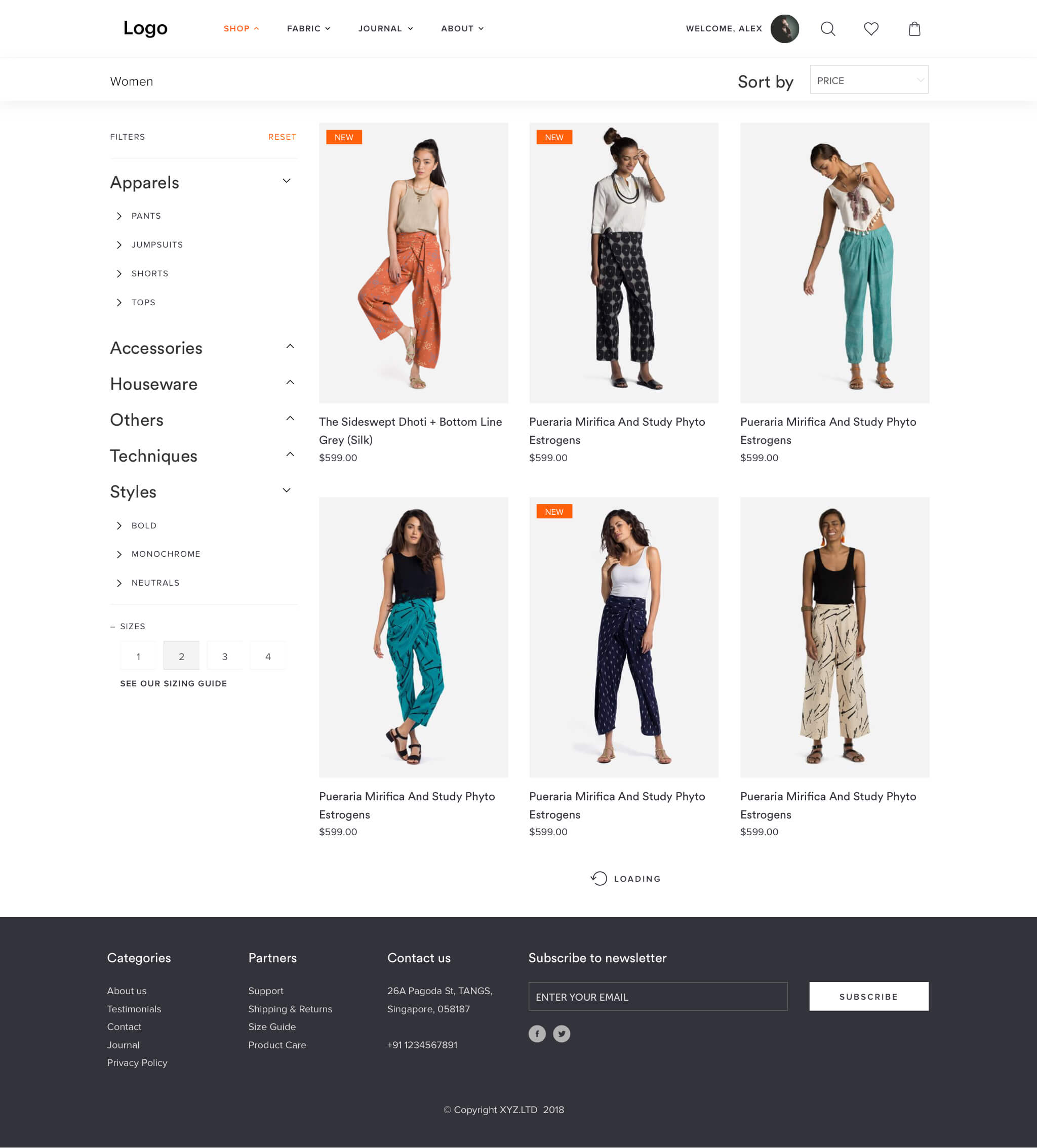
For brands that want custom experiences beyond what Liquid themes can support, React opens the door to full flexibility.
Shopify’s Hydrogen framework provides a React-based toolkit for fully custom storefronts, while headless architectures connect Shopify to React front-ends via its Storefront API.
When React is the Best Fit
Choose React or Hydrogen if your store needs:
- Highly interactive or app-like interfaces
- Custom product builders or visualization tools
- Complex filtering, personalization, or logic
- Omnichannel front-end experiences (mobile apps, PWAs, kiosk displays)
- Maximum control over UX and performance
Key Advantages
- Unlimited design and UI flexibility
- Lightning-fast interactivity
- Reusable components and scalable architecture
- Supports edge rendering and advanced performance techniques
Consider the Trade-offs
- Higher development cost
- Requires ongoing engineering support
- Longer build timeline
- More complex hosting and maintenance during scale
React is best for rapidly growing Shopify Plus merchants, established DTC brands, or businesses that treat their store like a digital product—not just a website.
Beyond React: Hybrid & Future-Ready Options
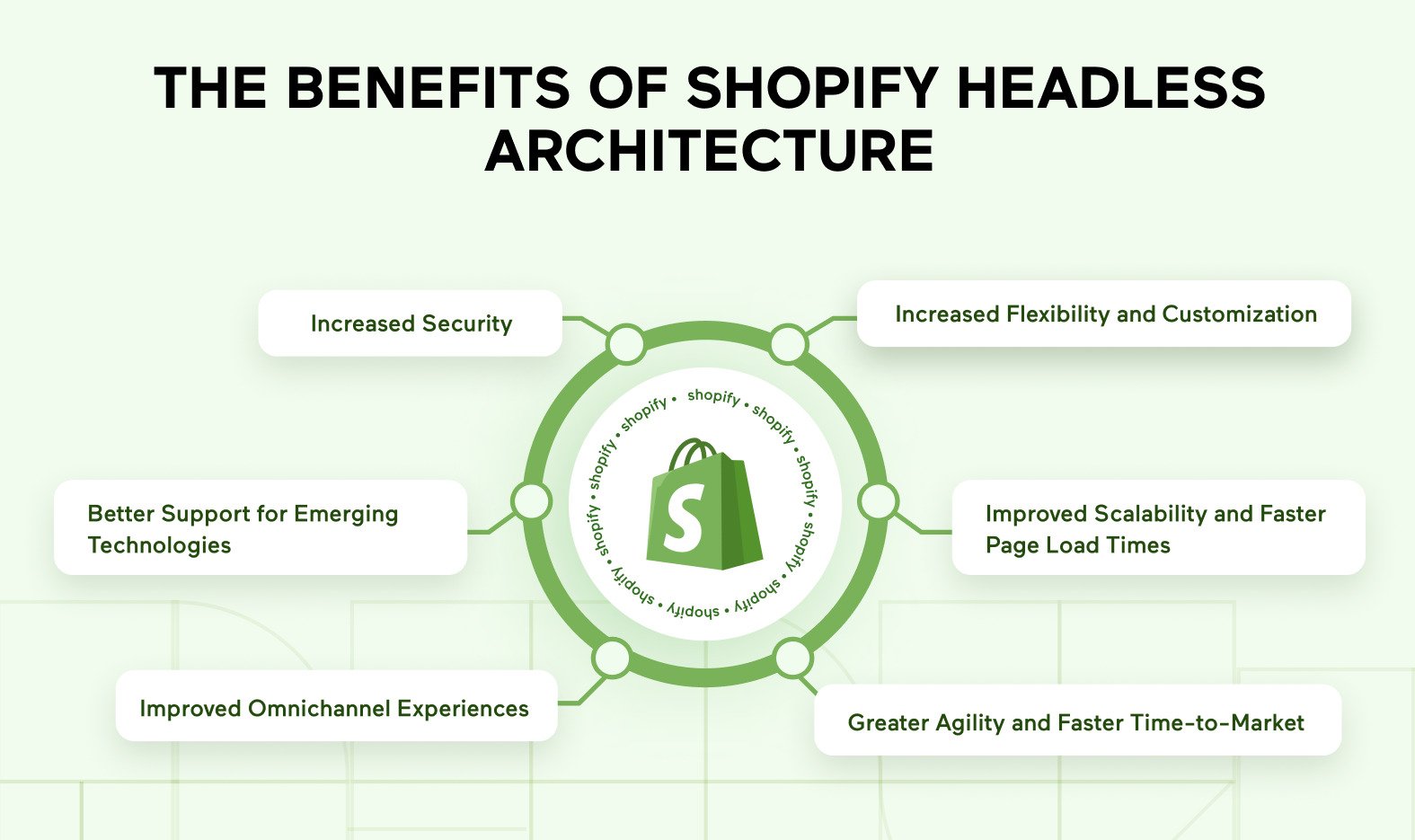

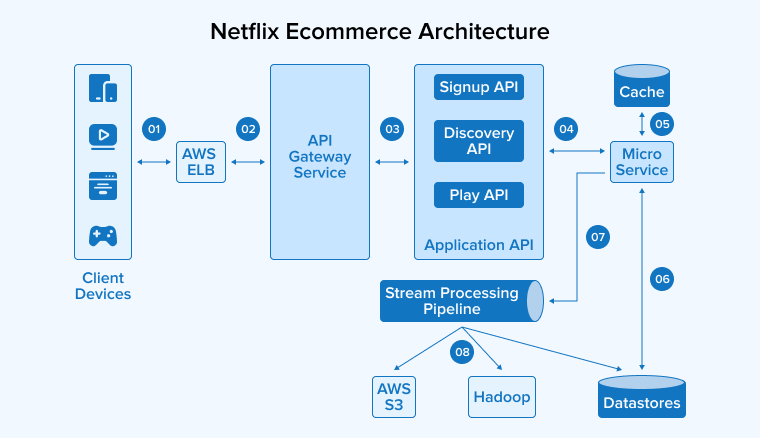
Shopify’s ecosystem is evolving fast. Brands now explore hybrid setups or emerging stacks to balance speed, cost, and flexibility.
Hybrid Liquid + React Components
Inject React components into Liquid themes for:
- Configurators
- Dynamic search
- Personalized recommendations
- Advanced cart/upsell widgets
This provides the flexibility of React without a full headless build.
Edge-Rendered Storefronts (Oxygen + Hydrogen)
Shopify’s Oxygen hosting + Hydrogen framework gives:
- Global edge performance
- Server-side rendering for React
- Native support from Shopify end-to-end
Ideal for brands going all-in on custom UX with Shopify’s latest tooling.
Headless + CMS Combo
Some merchants pair Shopify with:
- Contentful
- Sanity
- Prismic
…to create content-rich experiences beyond traditional theme capabilities.
When to Choose Hybrid or Headless Alternatives
- Your content and experience needs are growing
- You need flexibility beyond Liquid but don’t want to fully decouple
- You have internal engineering or long-term development partnerships
Liquid vs. React: Choosing the Right Stack for Your Shopify Store
Below is a quick comparison to help guide your decision:
| Feature | Liquid | React / Hydrogen |
|---|---|---|
| Cost | Lower | Higher |
| Build Speed | Fast | Moderate–Long |
| Performance | Excellent | Excellent (with proper engineering) |
| Interactivity | Basic | Advanced |
| Scalability | Good | Exceptional |
| Maintenance | Simple | Requires engineering |
| Ideal For | Most Shopify stores | High-growth brands & custom experiences |
Which Should You Choose?
Ultimately, the “right” stack depends on your:
- Budget
- Timeline
- UX requirements
- Product complexity
- Internal resources
- Long-term growth plans
At Dekstech, we help merchants evaluate these factors and build a tech stack that fits—not only for launch, but for the future of your brand.
Need Expert Guidance? We Can Help
Whether you’re deciding between a Liquid build, a React storefront, or a hybrid approach, our team can help you map your requirements and build a scalable, high-performing Shopify experience.
Book a free consultation and let’s build the right foundation for your store’s next stage of growth.


